
Bass is the half of sound you feel more than you hear. When it is right, sound stops being something you listen to and becomes something that happens to you. It is, quietly, the most important thing in the whole system to get right, and the thing most homes get wrong.
Here is what bass does when it is done well.
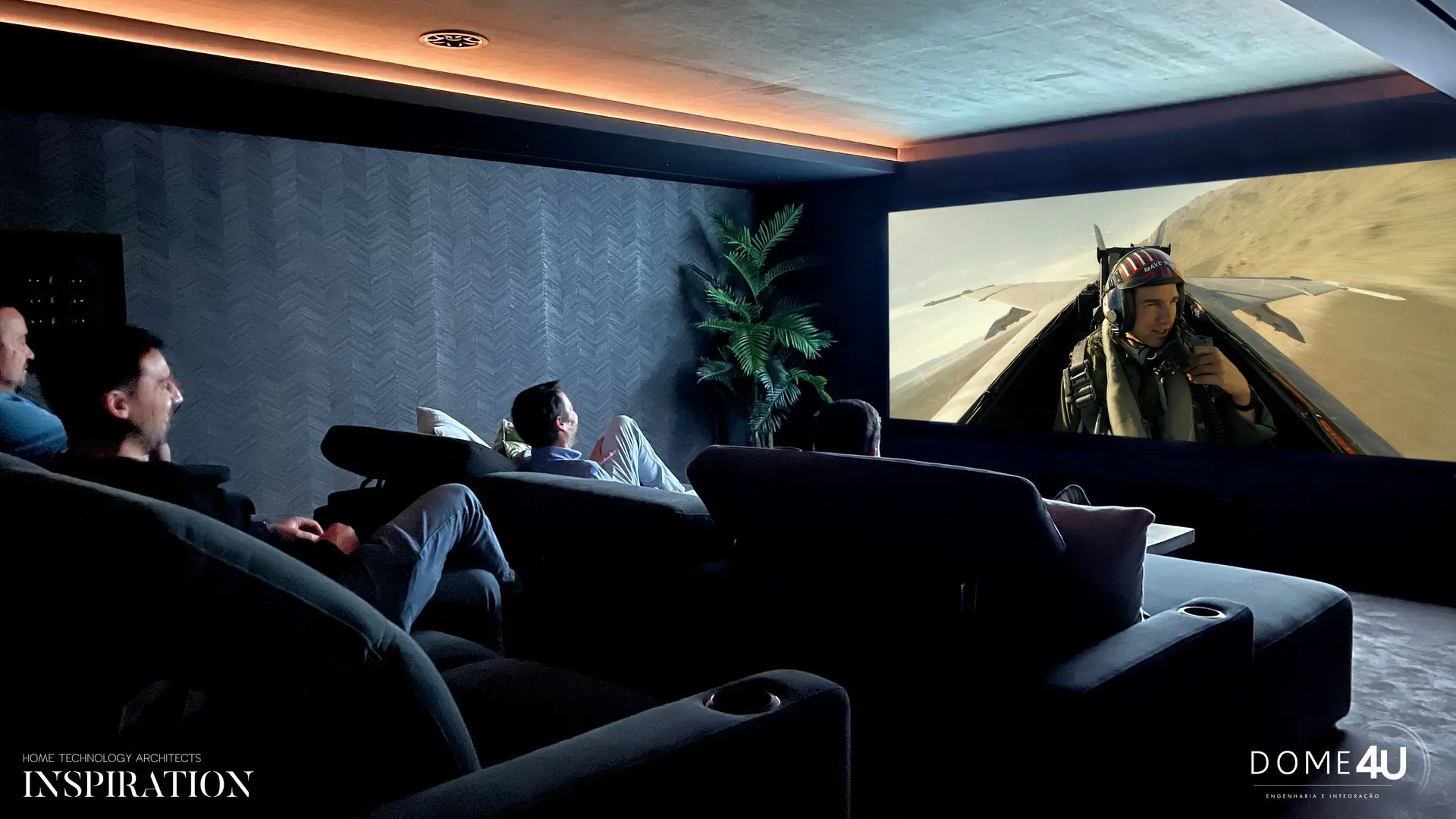
Deep bass pulls you into the story
In a film, deep bass is not a sound effect. It is belief.
It is the weight that makes a far-off storm feel like it is rolling in, the engine you feel in your chest, the explosion that lands in the room and not just on the screen. Deep bass is what lets you forget you are sitting in your living room and drop fully into the world of the film. Call it the suspension of disbelief. Get it right and the story swallows you whole. Get it wrong and you are just watching television.
Of everything in home sound, this may be the single most important thing to get right.
Mid bass is what makes you move
In music, the magic sits a little higher, in the mid bass. This is the body of a song, the part that gets into your legs: the foot that starts tapping, the head that nods, the room that begins to move almost without permission.
Engineers call it the pulse, and the name is not an accident. It lives right where the human heartbeat lives, and when it is right the music seems to sync with your own body. It is the relentless drive under a song like Solsbury Hill, the strutting bassline that powers Uptown Funk, the deep pulse that makes Bad Guy feel so physical. Three generations, three songs, the same trick. That push is mid bass, doing to your body what no other part of the sound can.
Good bass fills the room, even quietly
And here is the part people never expect. Great bass does not need to be loud.
Put music on softly in a room with proper bass and something lovely happens: the sound fills the whole space, loses its sense of direction, and seems to wrap around you rather than arrive at your ears. You stop locating the speakers. You are simply inside the music. That feeling of being held by sound, at any volume, is bass doing the work that volume usually tries, and fails, to do.
Which is why bass deserves to be designed
So bass is the soul of the whole thing: the belief in the film, the movement in the music, the warmth of a quiet evening. Which is exactly why it is the one part of home sound you cannot leave to chance.
And it has always been the hardest part to get right, for two reasons. Deep bass used to mean a big box, the one object the beautiful room was trying to avoid, so it got hidden in the worst spot for it. And bass travels: low notes are long, powerful waves that pass straight through walls and floors, so the thump you want in one room becomes the thump nobody wanted in the next.
The answer to both is the same word that runs through this whole series: control.
Control beats power
Great bass is not loud bass. It is controlled bass.
Deep and full where you are sitting, tight and clean, present without becoming the boomy one-note thud that dominates a room and leaks through the house. Loud, uncontrolled bass annoys everyone and moves no one. Controlled bass is the kind you feel in your chest and your neighbour never hears. That difference is not a bigger speaker or a louder setting. It is design, and it shapes both the size of what you choose and where it goes.
Placement is half the magic
Where bass sits matters as much as what it is.
Put a subwoofer near a wall, or into a corner, and the room itself reinforces it: it plays deeper and louder for free. This is the boundary effect, and used well it is a gift, more depth for no more power. Overdone, the same effect tips into boom and mud. So placement is a balancing act: using the room's help without letting the room take over. A professional plays the room. An amateur fights it, usually with the volume.
And now it can finally disappear
The best news is that the old big-box problem is over too.
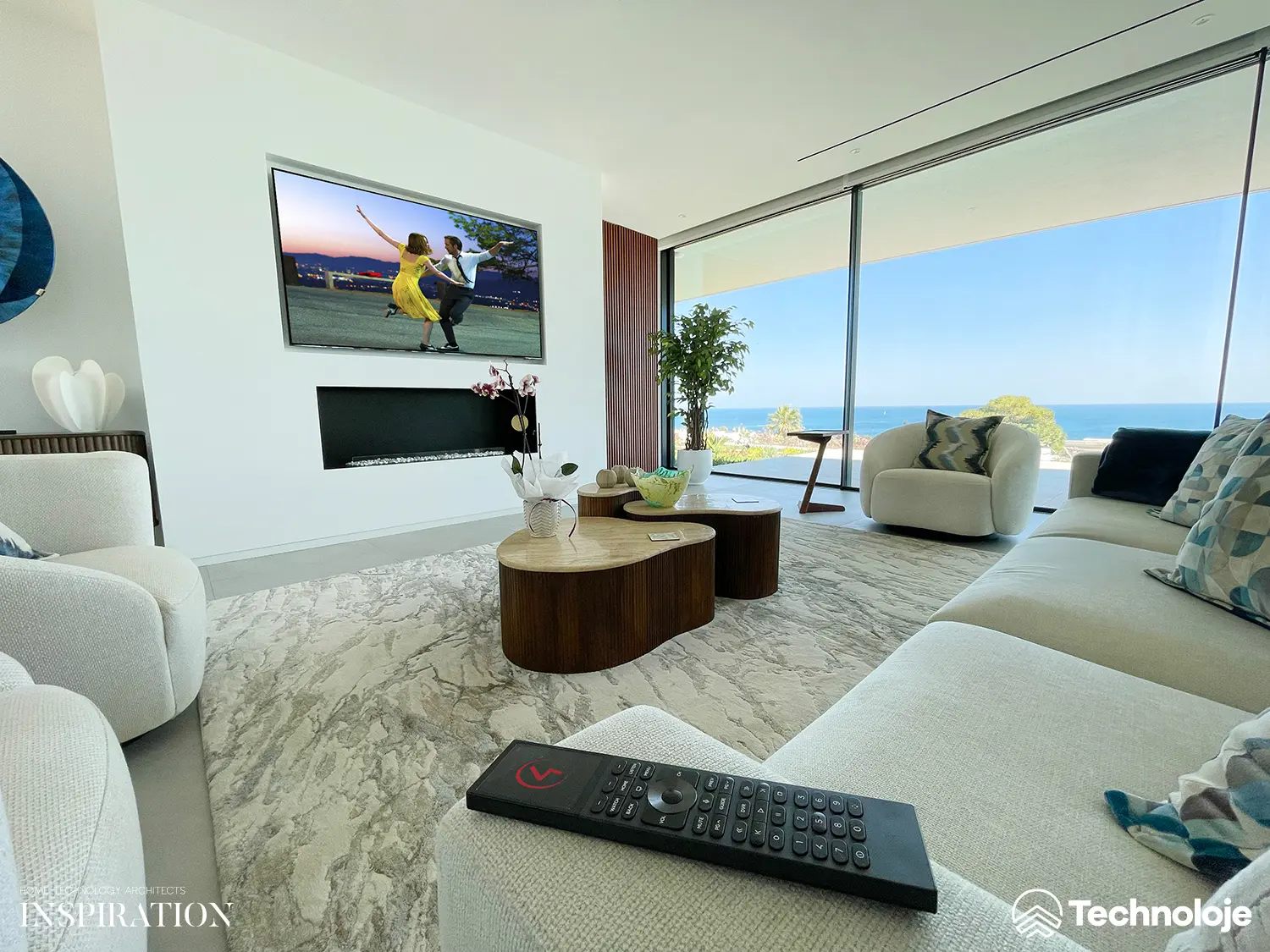
Bass can now be built shallow enough to disappear into the architecture, a wall, a bench, a step, a headboard, and balanced so it barely shakes the structure of the house. So you no longer have to choose between great bass and a beautiful room, or between real weight and a sleeping child upstairs. You get deep, controlled bass that you feel exactly where you are and almost nowhere else, placed for how it sounds rather than where it can hide.
The point
Bass is where sound stops being something you hear and becomes something you feel. It is probably the most important thing in a home system to get right, and the most often gotten wrong, almost never because it was not loud enough, and almost always because it was never controlled, tuned to the room, or placed with care.
Get it right and a film pulls you in, a song moves your body, and a quiet evening wraps itself around you. That is not a bigger subwoofer. That is craft, decided early, tuned to the room, and hidden so well you only ever feel it.
Let's make WOW the standard. Together.
#homesoftomorrow
The series
Part 3 of a four-part series on sound in the home:
- A Home Should Sound as Good as It Looks — why sound is a design discipline.
- Every Room Wants a Different Sound — designing audio room by room, and zone by zone.
- Bass Is Where Sound Becomes Feeling — the half of sound you feel, and the craft of getting it right (this piece).
- Sound That Follows You Outside — whole-home audio, and carrying it into the garden.
It is one idea, and it is the Genesis HTA idea: technology should disappear, so the experience can take over. We do not sell speakers. We design how a home feels, and we stay to keep it right, so it keeps elevating how you live, learn, work and play.