
But the kitchen is not the cinema. The cinema is not the bedroom. Each room is used differently, sounds different, and wants something different from its audio. Great home sound is not speakers everywhere. It is the right sound in the right room.
In the anchor of this series we said sound should be tuned to the room. Here is what that means, room by room, and then how to tie it all together.
Start with the job, not the speaker
Before anything goes on a wall, ask one question of each space: what actually happens here?
Background music while people cook and talk is a different job from a film you want to disappear into, which is a different job again from the calm you want in a bedroom. Match the sound to the life of the room, and everything else follows. Skip that question and you end up with a cinema's firepower in a kitchen and a kitchen's afterthought in a cinema.
Room by room
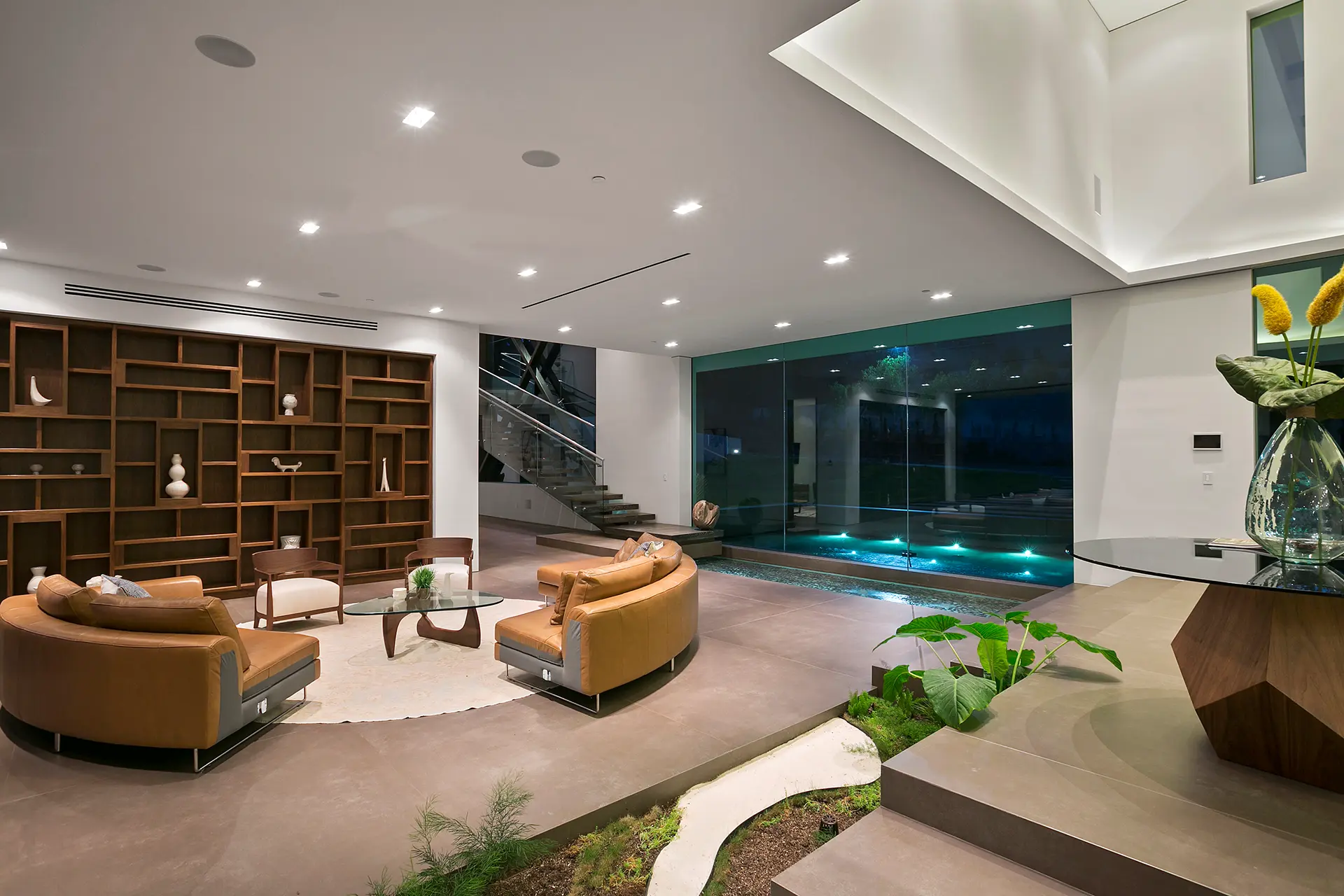
The living room and open-plan heart. The hardest room in the house: big, reflective, open, and used for everything from quiet mornings to full gatherings. It wants even, natural sound that covers the whole space without a loud spot by the speakers and a dead spot on the far sofa. Get this room right and most of the home is right.
The kitchen. Noisy, busy, full of hard surfaces and moving people. It does not need to be loud. It needs to be clear and even, music that carries over the extractor and the chatter without anyone shouting "turn it up."
The media room or cinema. The one room you treat properly, with the lights down and the sound taken seriously: enveloping, calibrated, the room itself quietened so the film can take over. This is where acoustics and discipline earn their keep, and where "achievable, done beautifully" beats "the biggest box money can buy."
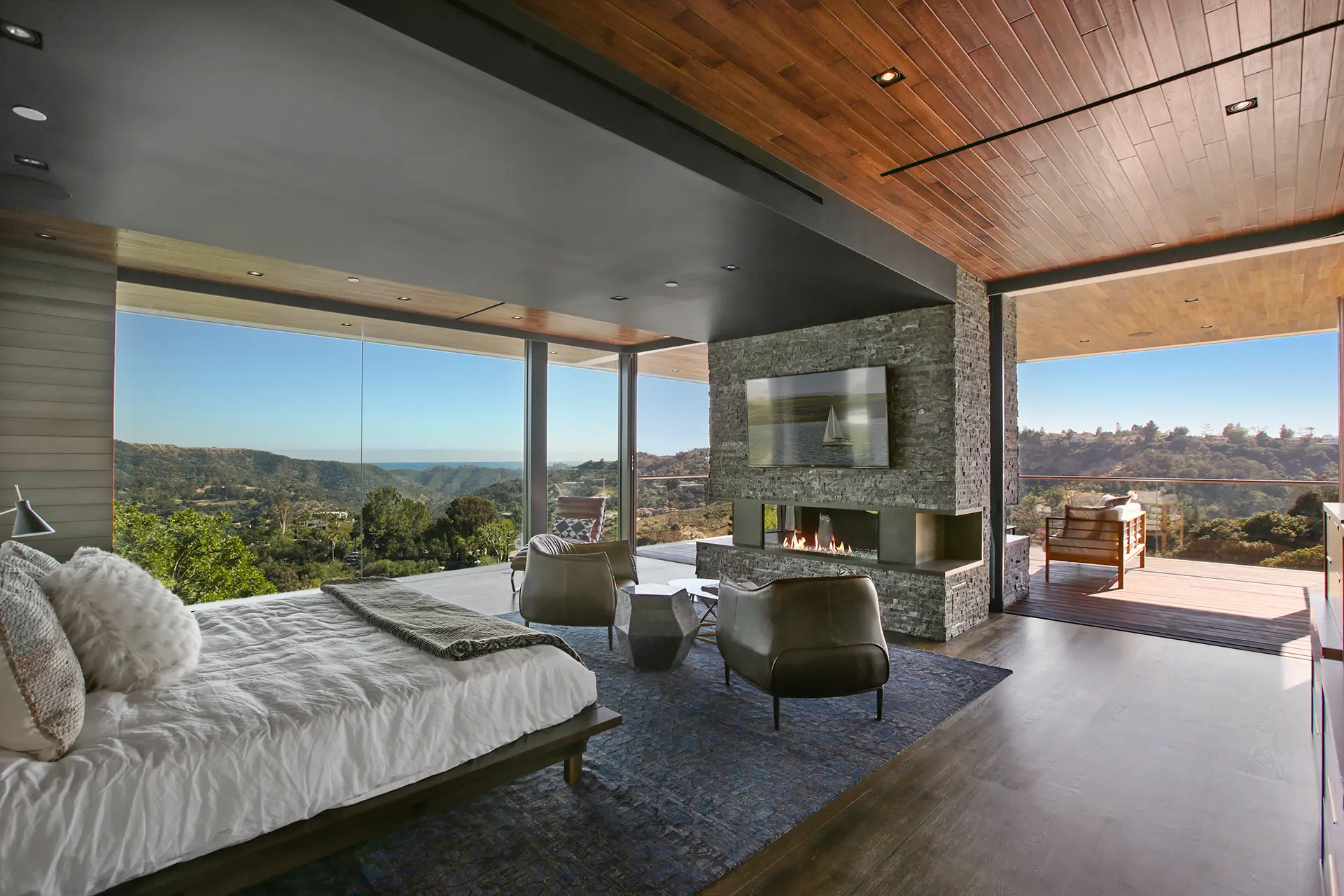
The bedroom. Not a concert hall. Gentle, warm, low in the morning and the late evening, something that wakes you kindly and winds you down. Quiet competence, not power.
The gym, the pool, the party room. The opposite end: energy, output, and finishes that survive heat, damp and hard use. Here you can let the system off the leash, because that is the job.
The study and the home office. Clear for a call, calm for focus. The room that is on every video meeting now deserves to sound as composed as it looks.
The point running through all of it: coverage beats output. More, well-placed, gentler sources almost always beat one powerful one. Even sound with no hot spots and no dead spots is what makes a room feel effortless, and it is quieter, cleaner and kinder on the ear than brute volume.
Then think in zones, not rooms
Once each room knows its job, you tie them together into zones.
A zone is simply any area you can control on its own: its own volume, its own source, on or off without touching the rest of the house. The kitchen plays the morning radio while the living room sits silent and the gym runs something with a pulse. One home, many moods, all at once.
The craft here is restraint. Design the zones around how people actually live, not around how many rooms there are. Too few zones and nothing is independent; the whole house has to listen to the same thing. Too many and it becomes a puzzle nobody wants to solve. The right number is the one that matches the real rhythm of the household, and not one more.
The control layer ties it together
What makes all of this feel like magic rather than admin is the control layer, the same quiet intelligence that runs the light and the comfort.
Done well, nobody thinks about sources and zones and volume. They touch one thing, or say a few words, and the right sound arrives in the right room. Music follows a person from the kitchen to the bath. The whole house settles for the evening in a single tap. The technology does the thinking so the family does not have to.
The point
A home is not one room, and it should not have one sound.
Give each space the sound that fits its life: even and natural where you live, enveloping where you watch, gentle where you rest, powerful where you play. Tie them into zones that match how the household actually moves through the day. Then hide all of it behind one simple control, so the system disappears and only the experience is left.
Speakers everywhere is not a plan. The right sound in the right room is.
Let's make WOW the standard. Together.
#homesoftomorrow
The series
Part 2 of a four-part series on sound in the home:
- A Home Should Sound as Good as It Looks — why sound is a design discipline.
- Every Room Wants a Different Sound — designing audio room by room, and zone by zone (this piece).
- The Bass Problem Nobody Talks About — why great, deep sound is invisible engineering.
- Sound That Follows You Outside — whole-home audio, and carrying it into the garden.
It is one idea, and it is the Genesis HTA idea: technology should disappear, so the experience can take over. We do not sell speakers. We design how a home feels, and we stay to keep it right, so it keeps elevating how you live, learn, work and play.