
The signs they point to are real. Big names restructuring. Smaller brands quietly disappearing. Prices in freefall. A trade that once felt solid suddenly feeling fragile. When people who have spent their lives in lighting start asking whether the whole thing is over, it is worth listening.
But it is the wrong question. Lighting is not dying. The box is dying. And those are two completely different things.
What actually happened
Strip away the drama and the story is simple.
The technology matured. The light bulb became a chip, the chip became cheap, and the cheap chip became a commodity. Once the fixture was a commodity, everything followed. Too many companies making the same thing. Someone always cheaper around the corner, even when the products are not really comparable. And now anyone with a website and a few clever tools can call themselves a lighting designer by Friday.
So the box got cheaper every year, and the margin went with it. That is not a tragedy. It is what happens to every product once it becomes a commodity. The tragedy is only for the companies that decided the box was all they had to sell.
The trap is fighting over the box
Here is the mistake, and almost the whole industry made it. When the box started to slip, the reflex was to defend the box. Make it a little cheaper. Add a feature. Cut a cost. Race the person underneath you to the bottom.
You cannot win that race. There is always a lower floor. A commodity does not reward the best, it rewards the cheapest, and the cheapest is a title someone will always take from you.
Fighting over the box is fighting over the one thing that is guaranteed to keep losing value.
The value did not disappear. It moved.
While everyone fought over the box, the value quietly walked out of the room and set up somewhere else. It moved from the product to the outcome. From the fixture to the experience. From the thing to what the thing makes possible.
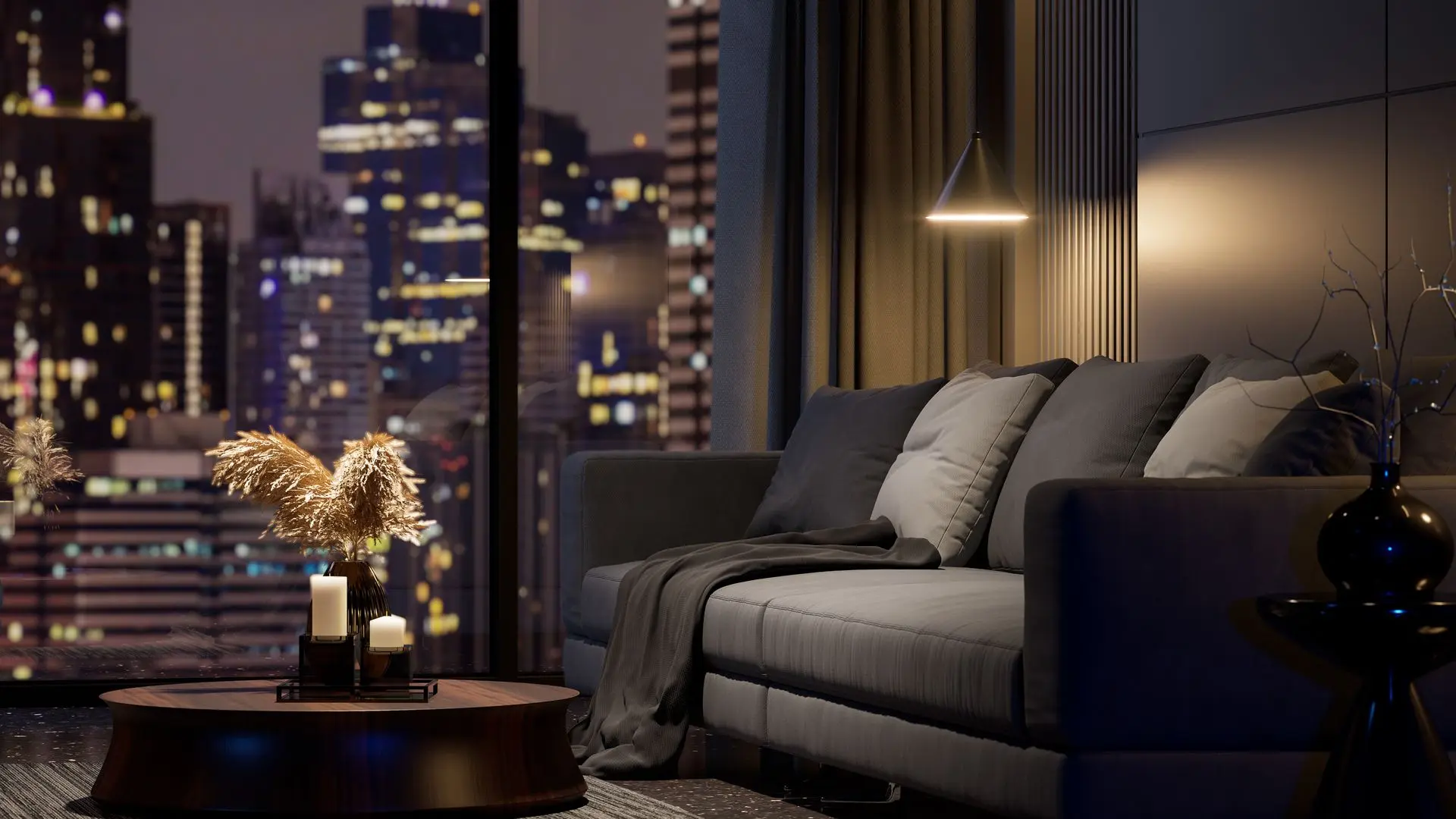
Say it plainly. The luminaire is the product. The value is what it enables. The feeling of a room at night. The way a home changes through the evening. The wall that becomes art, the garden that becomes a place to live. Nobody price-compares that line by line, because it is not a line. It is a result.
The future does not belong to the cheapest light. It belongs to the light that solves a problem a cheaper one cannot.
The industry has two answers. They are not the same.
Once you accept that the value moved, the real question becomes: moved to what, exactly? And here the industry splits into two very different answers.
The first answer is commercial. Turn the light into infrastructure. The luminaire is the densest network in any building, a powered point in every ceiling, exactly where you would want sensors and data. So make it a platform: occupancy, energy monitoring, tracking, building automation. In an office, a warehouse, a city, this is a real and serious idea.
It is also brutally hard to make pay. Plenty of good companies have chased lighting-as-data for a decade, and plenty of them are gone. It is a capital-hungry, slow, uncertain road, and it is a fight for the commercial building, not the home.
The second answer is residential, and it is ours. In the home, the value that moved did not move to data. It moved to experience. You do not rescue light in a home by filling the fixture with sensors. You rescue it by designing what the light does to the room and the people in it.
This is the fork that matters. The commercial world escapes the commodity by adding intelligence to the fixture. The home escapes it by adding design around the light. Same problem, opposite exit.
Why the residential exit is the better one for the independent professional
If you are a good, independent professional, the commercial road is a trap dressed as an opportunity. It asks you to become a data company, to raise money you do not have, to compete with giants on their turf.
The residential road asks something completely different, and something you can actually do. Become the person who designs the experience and stays to keep it right. Own the outcome, not the box. Be the one the client does not want to lose.
That is not a smaller ambition. It is a safer and a richer one. Specialisation is not a niche. It is the way out of the commodity. The moment your value is a designed result rather than a product on a shelf, the race to the bottom is simply not your race anymore.
This is a Camel move, not a Unicorn one
There is a reason I like this exit and not the other one.
The commercial, lighting-as-data bet is a Unicorn move. It needs a fortune of outside money, a long runway, and a lot of things to go right before it pays. Many have tried it. Most ran out of fuel.
Designing the experience is a Camel move. It is self-financed. It runs on craft, trust and relationships, not on the next funding round. It gets stronger with every home you look after, not weaker with every quarter you have to explain. You do not need permission or capital to start. You need to decide that you sell the light, not the box.
The brand nobody has built yet
Here is the part I find most interesting, and it is the biggest prize hiding in all this gloom.
In a commoditised trade, everyone competes on the thing. Almost nobody has built what really wins: a name people will not substitute even when a cheaper option is sitting right next to it. Not because the spec sheet is better, but because the experience, and the trust, are worth more than the saving.
That brand does not get built on the factory floor. It gets built in the home, one beautifully designed, well-cared-for project at a time. Which means, for once, the small and the independent are not at a disadvantage. They are exactly where the value now lives.
The point
Lighting is not dying. The box is. And honestly, that is the best news the craft has had in years.
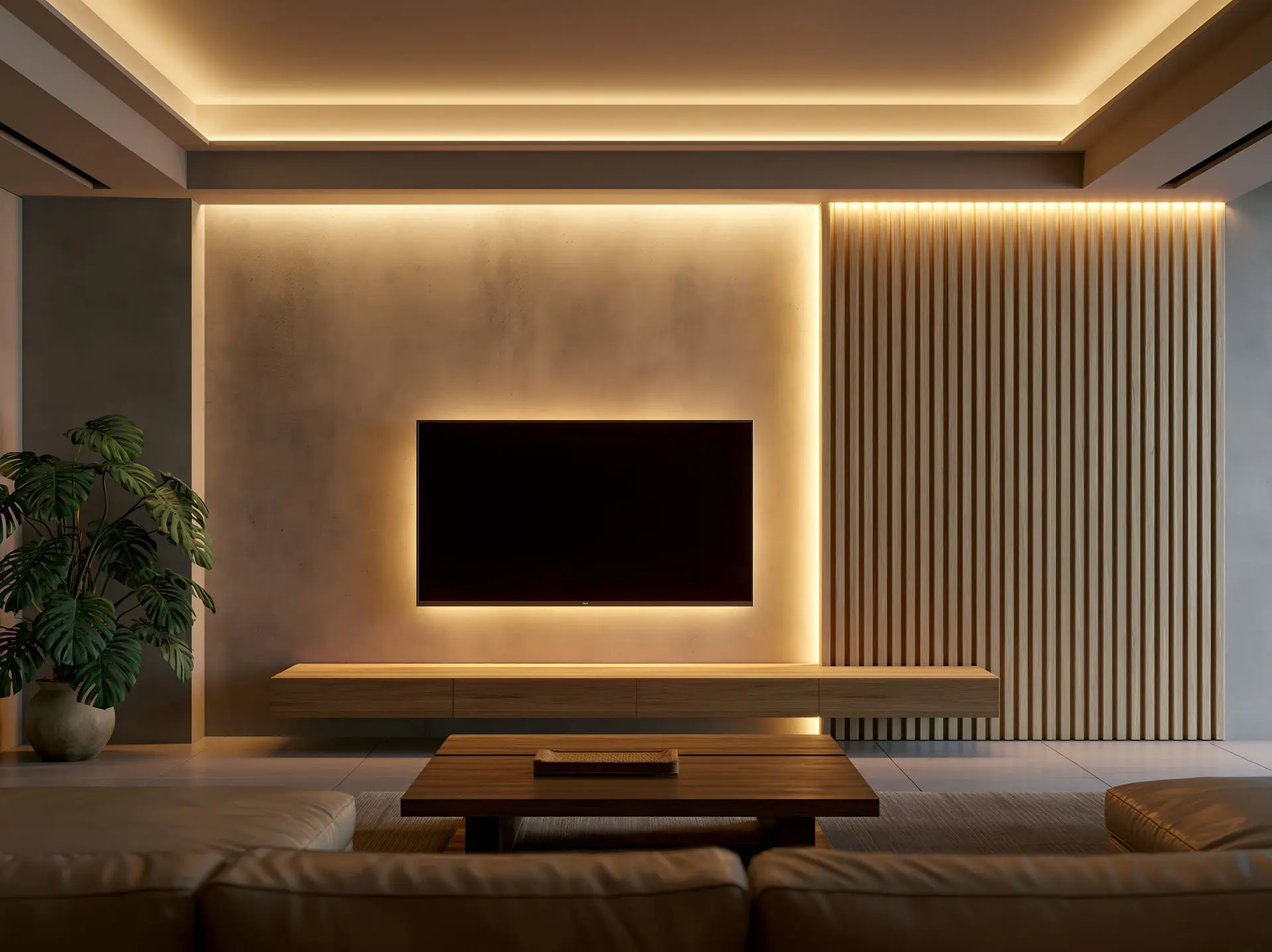
Because as long as the box was the business, the best work in our trade was underpriced and the cheapest supplier always won. When the box stops mattering, the design starts to. The layering, the warmth, the feeling, the way light shapes a home and the life inside it, the first thing you feel when you walk through the door. That was always the real product. We just used to give it away for free with the fixture.
So here is the honest question, and I would like to hear how others see it. It is not whether lighting is dying. It is simpler than that.
Are you still selling the box? Or are you selling the light?
Let's make WOW the standard. Together.
#homesoftomorrow