
Light is the first thing you feel in a home. And almost everywhere, it is the last thing anyone actually designs.
We agonise over the floors, the kitchen, the stone, the paint. Then we light all of it with a couple of downlights and a switch by the door, and wonder why the beautiful room feels like a waiting room after dark.
Light is the most powerful material in the home, and the most wasted.
Lighting is three things, in two places
Before the how, the shape of it. Lighting is really three things working together:
- Natural light. The sun. The best light there is, and the only one that is free.
- Artificial light. Everything we add once the sun goes down.
- The control layer. The intelligence that ties the two together and lets them follow your day.
And it lives in two places: indoors, and out. Get those three parts working across both, and a house becomes a home that feels right at any hour. Miss the connection between them, and you have expensive fittings doing a cheap job.
The rest of this series takes each part in turn. This piece is the why.
The switch on the wall is the problem
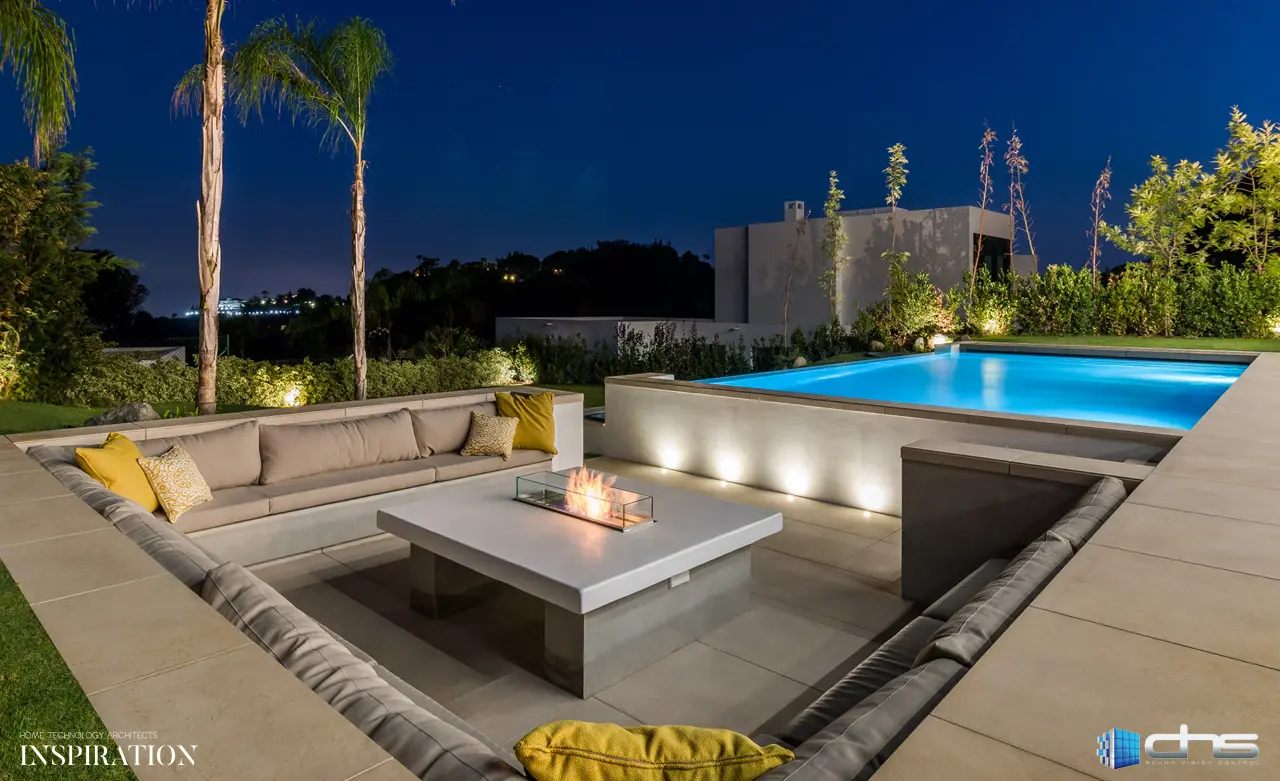
Start with the habit we have to break. Most homes treat light as a utility. One bright source in the middle of the ceiling, one switch, on or off. Light as a thing you need, not a thing you feel.
That is why so many rooms have exactly two moods: blazing, or dark. Nothing in between. No warmth for the evening, no soft edge for a dinner, no calm for the end of the day.
A home lit like that is working against itself. All that money on the architecture, undone the moment the sun goes down.
Start with the light that is free
The best light in any home is the one nobody sells: daylight.
A home designed around the sun, how it enters, where it falls, how it moves through the rooms and the seasons, is already halfway to feeling wonderful. Natural light lifts the mood, marks the time, and makes a space feel alive in a way no fitting fully copies.
So good lighting does not begin with fittings. It begins by making the most of the sun, then designing the artificial light to take over gracefully when the sun clocks off. The two should feel like one continuous thing, not daylight and then, suddenly, lamps.
Artificial light is built in layers
When the sun goes down, the artificial layer carries the story on. And good artificial light is never one source. It is layers, working together.
A base layer that fills the room. A working layer for the tasks, the kitchen counter, the reading chair, the desk. And an accent layer that does the real magic, the wash down a stone wall, the glow under a cabinet, the pool of light that makes a corner feel intimate. Any room you have ever loved the feel of was layered, whether you knew it or not.
There is a simple framework for getting this right, three layers of light, and we go deep on it in the pieces that follow, once for the home and once for the garden. For now the mindset is the point: stop thinking about fittings, and start thinking about layers.
The control layer is where it all comes alive
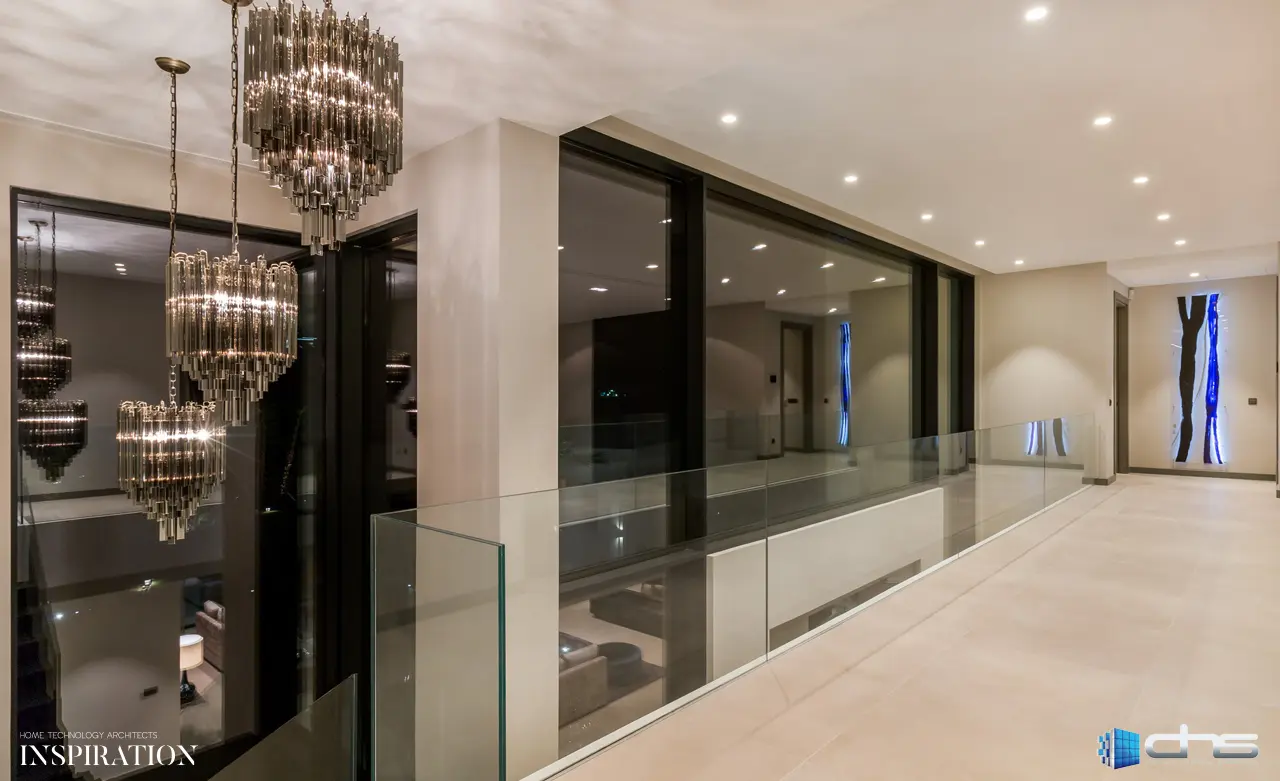
Here is the part that has quietly leapt forward, and the part that matters most. Light no longer has to sit still.
Modern light can change through the day the way daylight does. Warm and low in the morning and the evening, brighter and cooler in the middle of the day when you need to focus. It can follow your life instead of fighting it, lifting you when you want energy and settling you when you want to wind down.
This is not a luxury detail. Light shapes how we sleep, focus and feel. Cheap light, chosen only to be bright and efficient, quietly works against us. Good light is a health decision as much as a design one.
And it is the control layer that ties it all together: natural and artificial, indoors and out, moving as one with the shades, the comfort, the energy. That single intelligent layer is the difference between a pile of clever fittings and a home that simply feels right. It is also, not by accident, exactly where a Home Technology Architect does the real work.
The garden is the next room
For too long the home stopped at the back door. One harsh floodlight over the terrace, triggered by a passing cat, and darkness beyond.
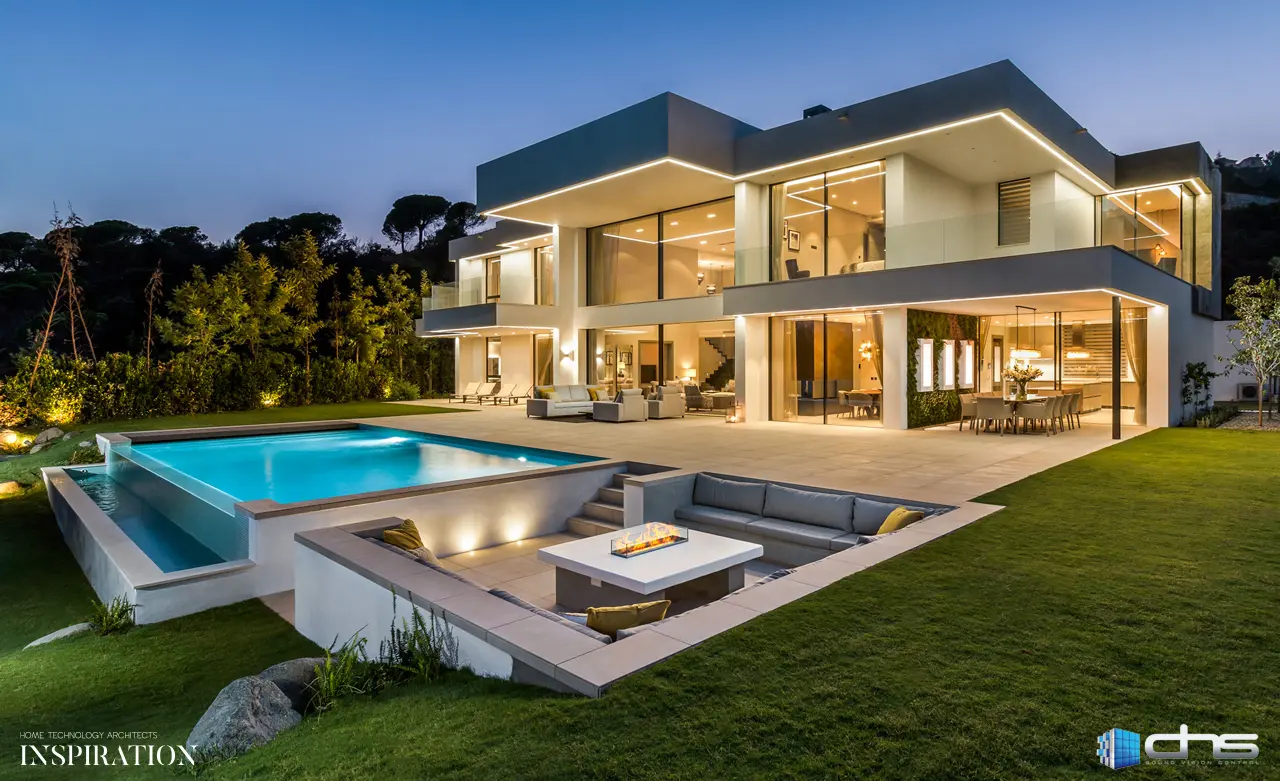
That is changing fast, and it is one of the most exciting shifts of our homes right now. The garden has become a room in its own right, lived in, eaten in, gathered in, long after dark.
Think of it this way. You own your whole garden, but you only really live in it by day. The moment the sun sets, all of it, the trees, the water, the planting you paid for, simply vanishes. Light gives you back the other half. The evening garden is almost a second garden, hiding inside the one you already own.
And nothing conjures it like light done well: a tree lit from below, a path that draws you out, water that glows, a terrace that feels like an outdoor living room. The rule the best designers live by outdoors is worth stealing: all light should land on something, and none of it should be thrown at the sky. No glare, no floodlit hotel look. Just the garden, quietly revealed. Nobody wants their home lit up like a car park.
This is also where beauty and business meet. Outdoor lighting is growing quickly, people genuinely want it, and done well it rewards the people who design it, not just those who supply it. It is one of the rare places where doing beautiful work and building a healthy business point the same way. It is also where we are heading next.
Why this is designed, not bought
The industry likes to say lighting has become a commodity. The fitting, perhaps. But the fitting was never the point.
You cannot buy a beautifully lit home in a box, at any price. The result is the layers, the warmth, the control, the way it all disappears into the architecture and changes through the evening. That is a design decision, made by someone who thinks about the whole home.
Anyone can sell a fitting. Almost no one designs the light. That gap, between the thing and the experience, is exactly where the value lives. We go deeper on that in the next piece.
The point
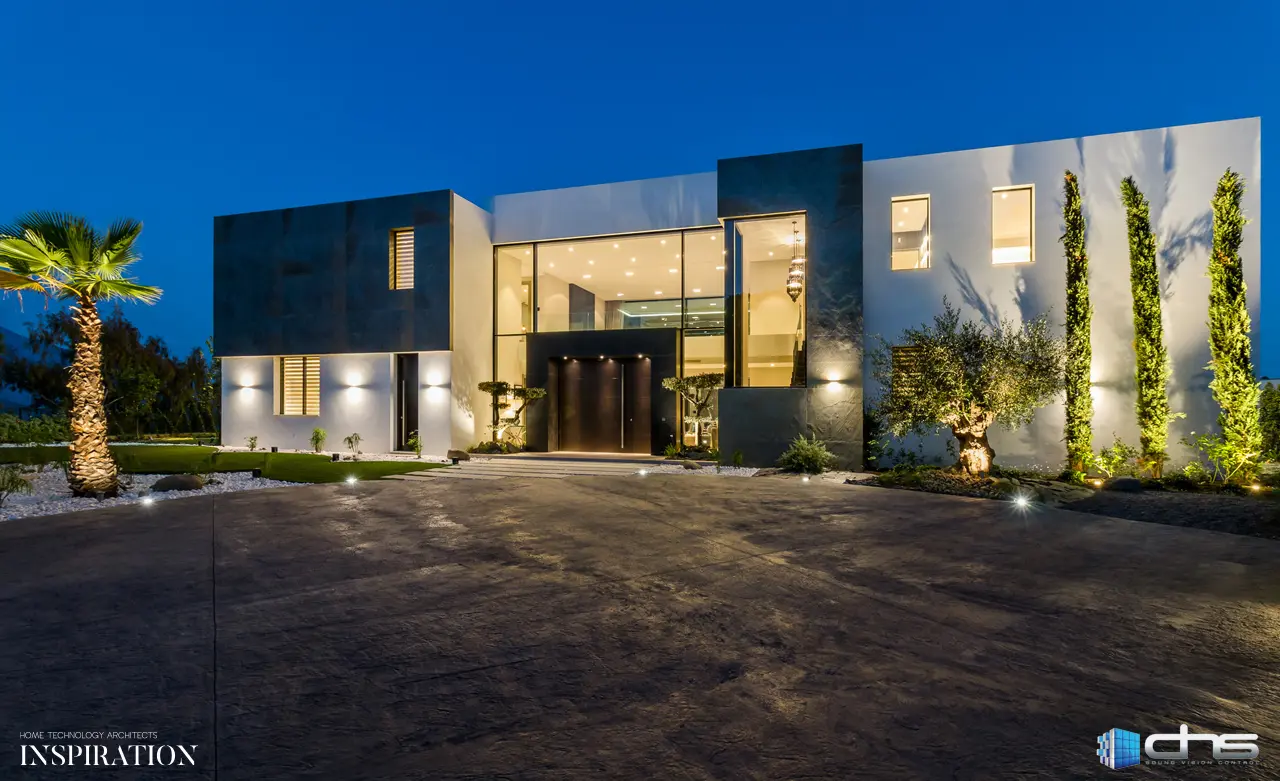
Light is the first thing you feel when you walk in, and the first thing you miss when it is wrong. It deserves to be a decision, not an afterthought.
So start with the sun. Layer the artificial light that carries on after dark. Tie it together with one intelligent control layer, indoors and out. Carry it into the garden and win back the second half of the day. Do that, and an ordinary house becomes a place that feels different, and better, the moment you step inside.
We design everything else in the home with care. It is time we designed the light.
Let's make WOW the standard. Together.
#homesoftomorrow