The name is the job
A Home Technology Architect designs and owns the technology layer of a home, the way the building architect owns the structure.
Not a trade called in at the end. A design-team peer from the first sketch.
We believe in that so completely that we built the company around it. Genesis HTA stands for Genesis Home Technology Architects. The title is not a marketing coat of paint. It is the job.
What the job actually is
In one line: take every technology system in the home, lighting, shading, networking, security, climate, power, audio, video and control, and make them behave as one experience, coordinated with the architecture and the interiors, so nothing is bolted on or compromised.
In practice, that means:
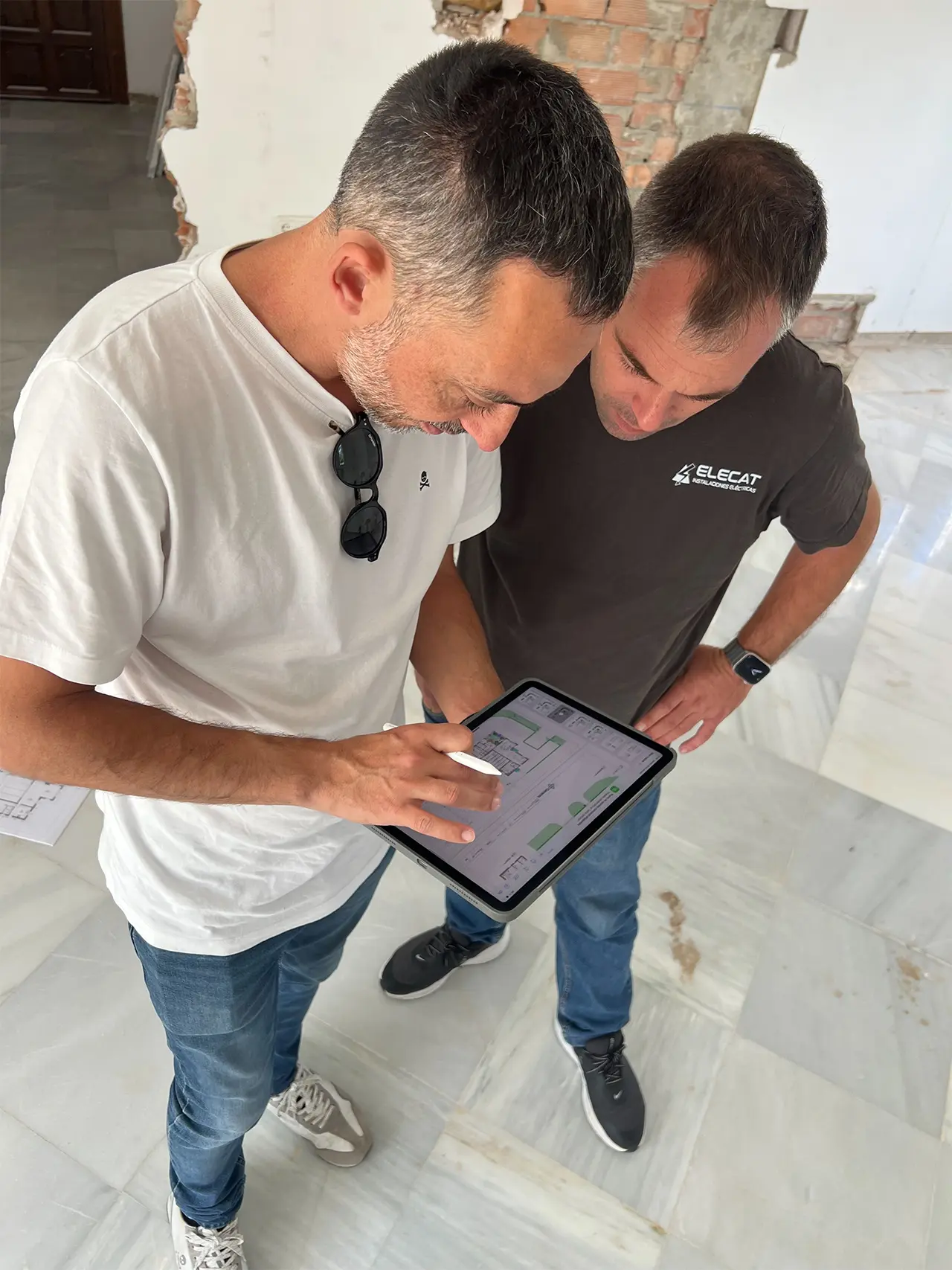
- In the room during schematic design, not after the walls are up.
- Coordinating shade pockets, wire paths, ceiling details, equipment locations, power and cooling with the architect, the interior designer and every trade.
- Specifying, documenting, programming and commissioning the systems, then standing behind them for the life of the home.
- Treating keypads, speakers and shades as fixtures, chosen with the millwork and the finishes, not as gadgets added at the end.
That is not installation or maintenance in itself, though it can include both. It is design, coordination and ownership. A different profession from the one the old words describe. Service and long-term support are a craft of their own, worth their own piece.

Why the name matters
The label decides when you are called, and what you are trusted to do.
Say "AV guy" and an architect hears televisions and speakers, so the call comes once the plans are already done. Say "low-voltage contractor" and a builder hears wiring and trim-out. Say Home Technology Architect and the room hears peer, design, ownership, in from the start.
The name is not vanity. It is a brief. It sets the expectation before you have said a word.
Architect, not only integrator
Credit where it is due, and it is due to a lot of people. Josh Christian and the Home Technology Association have done the foundational work of naming this trade precisely, and CEDIA has pushed to have the Technology Integrator recognised as a profession in its own right. On the substance we agree completely: the job is coordination, planning, documentation, programming, commissioning and long-term support across every system in the home. This is foundational work, done alongside the visionary brands trying to get our industry ready for what is already here.
We lean on architect for one reason. Integrator describes what the professional does. Architect describes where they belong.
In a room full of designers, the word you carry decides the chair you get. We want this professional at the table, with the other architects, from the first drawing. So we give them the title that puts them there.

The vision behind the word
This is bigger than a job title. It is a future for the whole trade, and a better deal for the people in it.
For the installer, it is a promotion. From the last quote on the last item to the designer of the whole experience. From fighting on price at the end to shaping the home at the start. From moving boxes to being the trusted peer who makes more money, with fewer problems, on better projects.
For the architect and the client, it is relief. One partner who takes the entire technology layer off their plate, drawn on top of the design, carrying the technical risk, keeping one promise.
For the home, it is calm. Technology that disappears into the architecture and leaves only the experience.
The market already voted
You do not have to take this on faith. The DIY era, the one that promised to cut the professional out, is quietly sending people back. One in three smart home DIYers ends up calling a professional. DIY systems run at roughly 62% uptime. Professionally built ones sit at 98%.
Making twenty devices from eight brands behave like one home is not a hobby. It is a craft. The product is the easy part. The promise, that the home simply works for years, is the hard part.
So the real question was never whether a premium home needs a professional. It is which professional. Not the AV guy called at the end. The Home Technology Architect, in from the start.
Own it, together
"AV guy" will linger for years. Habits fade slowly, and that is fine. We are not waiting for the old words to die. We are naming the work precisely, now, and building to the standard the name demands.
If this term goes mainstream, the vision travels with it: home technology as a real design discipline, and the professional who delivers it treated as an architect of how a home lives.
That is the future we are building. It is why we called ourselves Genesis Home Technology Architects.