
For a decade the story was that the smart home would go the way of everything else: order it online, do it yourself, cut out the professional. A lot of money was spent telling people they could do it themselves.
The reality is turning out differently. One in three smart home DIYers ends up calling a professional installer. Not because they could not buy the parts. Because buying the parts was never the hard part.
The DIY era did not kill the pro. It is quietly proving why the pro exists.
The number that ends the argument
Put the two side by side and the case makes itself.
DIY system uptime: 62%. Professional system uptime: 98%.
Sit with that gap for a second. A DIY home works roughly two days out of three. A professionally built one works essentially all the time. In a premium home, where the client expects the lights, the shades, the security and the entertainment to simply respond, every single time, 62% is not "smart." It is a daily irritation with an app.
You cannot Amazon-Prime your way to a home that just works. You can hire someone who has built two hundred of them.
Two ways to build a home
The real difference is not the parts. It is the order of the work.
DIY starts with the product. A clever gadget, a feature, a review watched online. Buy it, then buy the next one, then try to knot them all together after the fact. The home is the last thing to be considered, not the first.
A professional starts with the end in mind. With the experience the family should have, and the promise that it will work seamlessly, because seamless integration is not a luxury, it is what makes the whole thing reliable. Then they build from the foundation up: the cabling, the smart electrical infrastructure, the network, the layout, the placement. The products come last, once the home is ready to carry them.
That order is the whole game. And the foundation has grown. A decade ago the network was the entire conversation. Today smart electrical infrastructure matters just as much as a solid, secure network, and getting both right is a design decision made early, not a box chosen late. Which makes the professional who designs and installs it more important than ever, not less.
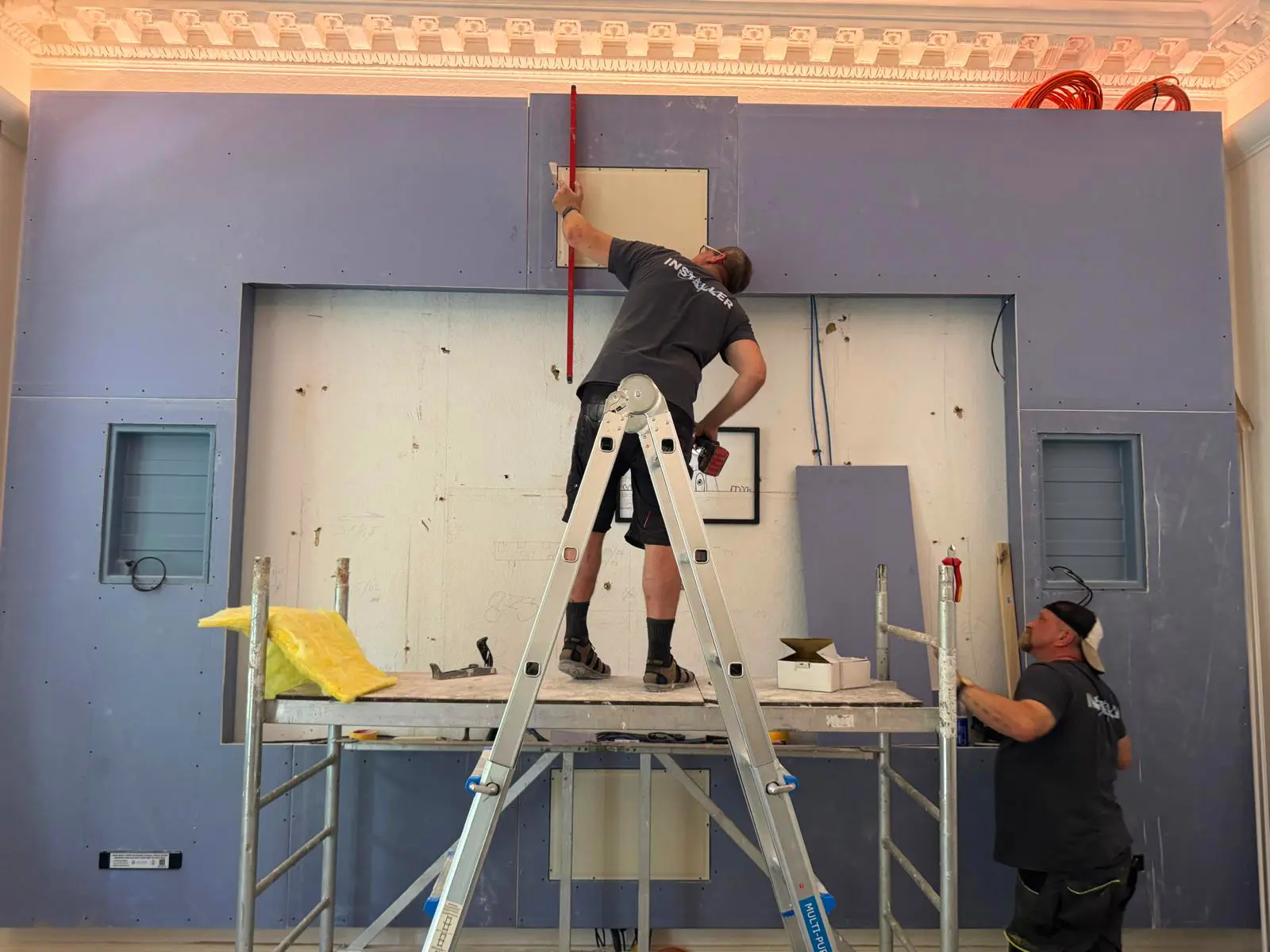
Upgrading Genesis HTA Wiesbaden VIPLounge with Residential LED and Invisible Speakers, Aug 2026
Why the craft is real
Making twenty devices from eight different brands behave like one home is not a hobby. It is a craft. It is networking, interoperability and reliability, all the things that never show up in the product photo, and all the things that decide whether the house works on a wet Tuesday in year three.
What starts as "plug and play" quickly becomes "why won't anything talk to each other?" The answer is not a better gadget. The answer is knowledge, training and experience, and none of that comes in the box. Google is not training. Two hundred completed homes is.
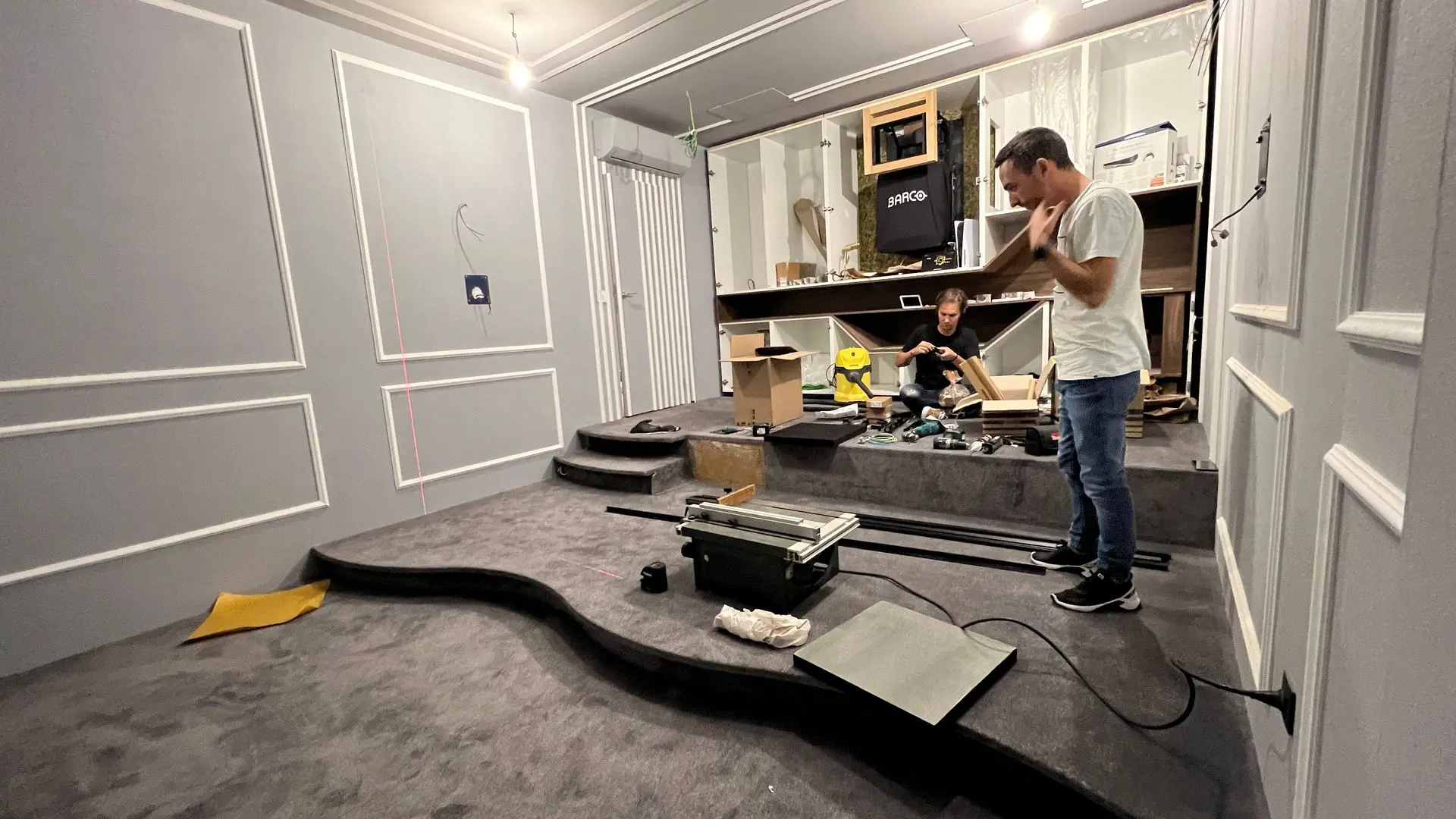
Finishing touch at the genesis HTA Barcelona VIP Lounge 2021 (Javier Moreno and Ronny Meggio)
The product is the easy part
This is the line the whole industry should tattoo on the wall.
The product is the easy part. The promise is the hard part.
Anyone can sell a client a device. Delivering the promise, that the home will work, quietly and beautifully, for years, is a different profession entirely. It is craftsmanship. And quality and reliability never happen by accident. They are the result of skill and professionalism, applied on purpose.
Which is why "working properly" should not be a happy surprise at handover. It should be a delivery spec, written down, expected, and stood behind.
It does not stop at handover
Here is the part the DIY story never mentions. A connected home is a living system, and living systems drift.
Devices update their own software on their own schedule. One quiet overnight update, and a bridge that held a DIY system together is blown up, and the thing that was sewn together falls apart. A professional system is designed to survive that, and looked after so it keeps surviving it.
Because a home like this is like any complex system. A car, a pool, a company's IT. It needs maintenance, upgrading and care, by someone who knows it. That ongoing care is a craft of its own, and a subject we will come back to. For now the point is simple: the value of the professional is not a day of installation. It is years of a home that keeps its promise.
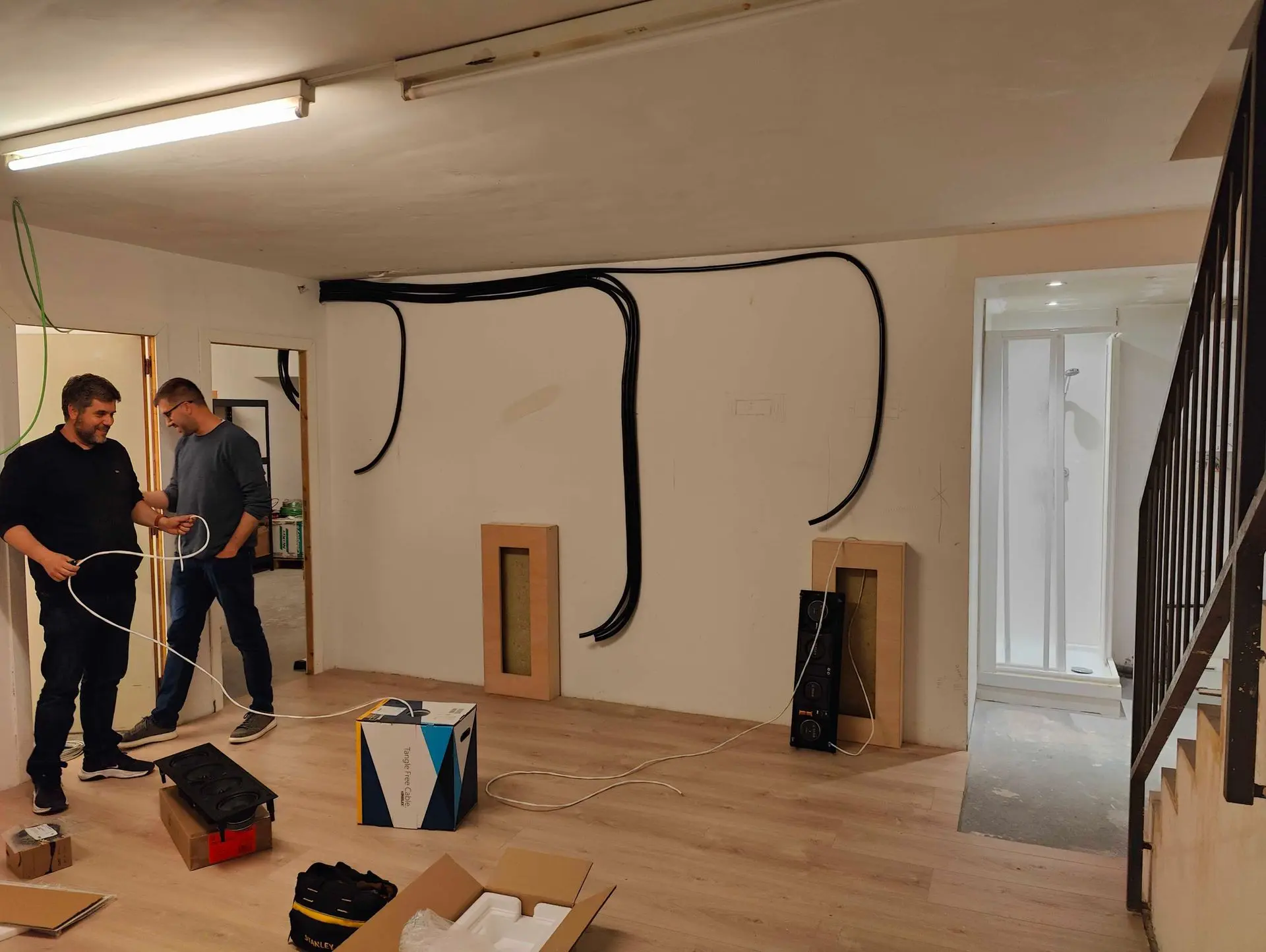
What this means for our partners
At Genesis HTA we call the professional a Home Technology Architect for a reason. The word "installer" undersells it. The person who makes a connected home behave is closer to an architect than an electrician: they design how the whole thing works together, and they own the outcome. Whether they are the Home Technology Architect leading the design or the installer delivering it, they are the reason the project works.
It is worth being honest about how we got here. Some brands, and some distributors built purely as webshops, spent years pushing DIY. Partly because it suited a short-term number, and partly because they never truly understood, or believed in, the real value a professional adds. Now that the long game has proven them wrong, many are quietly turning back to the professional. Good. But the professional never left.
So the message to the market is simple, and it is true. The gadgets got cheaper. The promise got harder. And the professional who can deliver that promise, reliably, for years, is not a cost to design out of the project. They are the reason the project works at all.
Beauty, reliability and calm in a connected home are not accidents. They are a craft. And craft has a name: the professional.
Let's make WOW the standard. Together.
Sources: DIY versus professional reliability figures from Parks Associates.